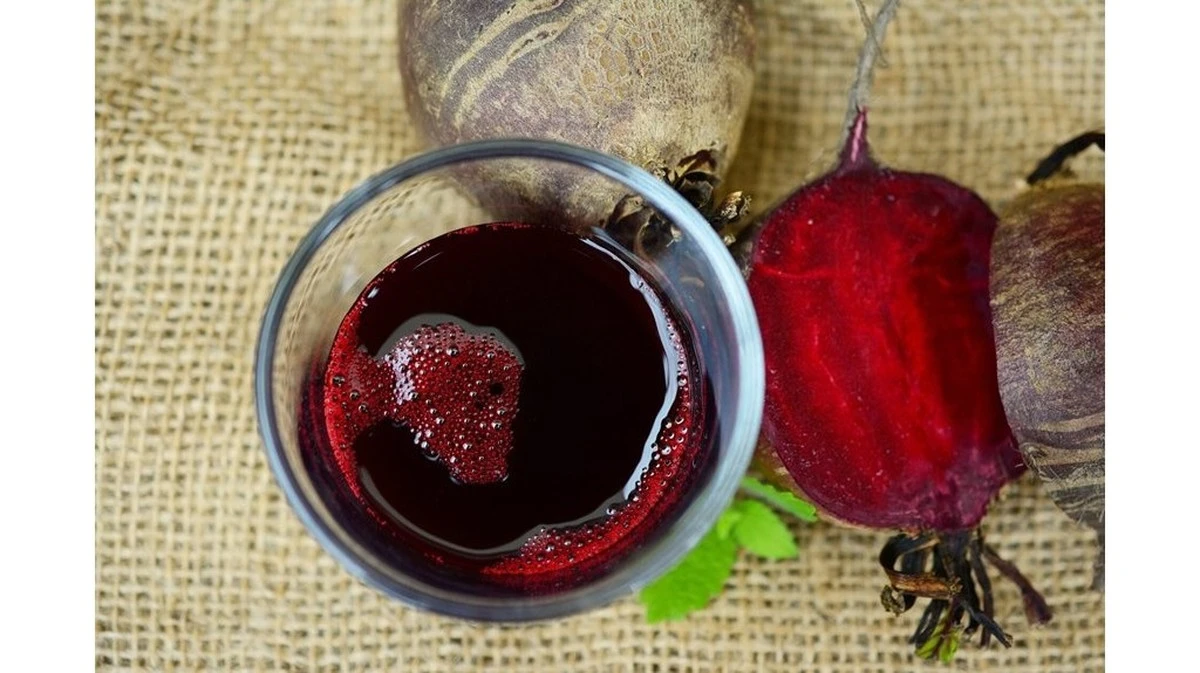
For ten years, I started every morning with a glass of beetroot juice. I was convinced I was doing the best thing for my heart, blood pressure, and energy levels. It turns out, my daily ritual was silently harming my kidneys. Here's why this "superfood" became a problem and what you need to know before you pour that next glass.
The Decade of Pink Denial
I genuinely believed I was a health guru. Beetroot juice, packed with nitrates for blood flow, antioxidants, iron, and fiber – what could go wrong? I proudly told my family doctor about my daily habit, expecting praise. Instead, he looked at my lab results with a stern expression.
"That's why your kidney markers are like this."
His words hit me like a ton of bricks. "Stop," he said, pointing to a specific column on my report. "You're drinking concentrated juice every day. It's like eating three portions of beetroot at once. Your kidneys can't handle it." I had been unknowingly overloading my system for a decade.
When a Superfood Becomes a Super-Problem
Beets are undeniably a nutritional powerhouse. They contain nitrates, which convert to nitric oxide and help dilate blood vessels. They're also rich in betalains, potent antioxidants, and essential minerals. But here's the catch that most people overlook: beets are also high in oxalates.
These compounds can bind with calcium in your body, forming kidney stones or gallstones. By drinking concentrated juice daily, I was essentially bombarding my kidneys with oxalates, providing the building blocks for stones. My belief that I was protecting my health was actually creating future problems.
Who Beetroot Truly Benefits (and When to Be Cautious)
My doctor clarified: beetroot isn't inherently bad. It's about *how* and *for whom*. For many, it can be incredibly beneficial:
- Lowering Blood Pressure: The nitrates are fantastic for improving blood flow.
- Iron Boost: Particularly helpful for women after menstruation, as beetroot contains easily absorbable iron.
- Digestive Aid: The fiber content can regulate your digestive system and promote satiety.
- Menopause Support: Manganese and boron may help with hormone balance during this phase.
However, these benefits are only realized when your body can effectively process everything the beetroot offers. If your system is already struggling, the good can easily turn bad.
Five Cases to Reconsider Your Beetroot Habit
My doctor highlighted specific groups who should be extra careful or avoid beetroot juice altogether:
- History of Kidney or Gallstones: Oxalates are a primary culprit. If you've had stones before, beetroot could unfortunately reintroduce them.
- Unstable Diabetes: Beetroot is high in natural sugars. Juicing removes the fiber, leading to rapid blood sugar spikes.
- Sensitive Gut or Chronic Diarrhea: Beetroot has a laxative effect. If your intestines are easily irritated, this can worsen symptoms.
- Low Blood Pressure: The nitrate effect can lower blood pressure too much, leading to dizziness and fatigue.
- On Blood Pressure Medication: Beetroot can amplify the effects of these drugs, potentially causing a dangerous drop in pressure.
I was unknowingly in the "kidney stone risk" category. The thought of replacing my healthy habit with a health risk was shocking.
How Much is Too Much? The Smart Approach
"You don't have to give them up entirely," my doctor advised, "just be smart about it." Here’s the balanced approach:
- Moderation is Key: For healthy adults, aim for 100-200 grams of beetroot daily. Spread this out over several meals, don't gulp it all at once.
- Cooked vs. Raw: Boiled beetroot is a gentler option than raw juice. Cooking slightly reduces some vitamins but also softens the fibers and is less irritating to digestion.
- Timing Matters: Avoid beetroot close to bedtime. A dip in blood pressure at night can disrupt sleep and cause morning weakness.
The juice is far more potent and problematic than the whole vegetable because it's a fiber-free concentrate. It's all the sugar and oxalates with none of the natural buffer.
The Moment of Realization
A month after ditching my daily juice, my repeat lab tests showed a significant improvement in my kidney markers. My doctor simply nodded, "See? Sometimes less is more."
Now, I enjoy cooked beetroot a couple of times a week, as part of a balanced meal, not as the main event. And honestly? I feel just as good, if not better, knowing I'm not secretly sabotaging my health.
What Every Health-Conscious Person Needs to Know
Beetroot isn't a magic bullet. Like any food, it has its place and its limits. If you have pre-existing conditions like kidney issues, diabetes, low blood pressure, or a sensitive digestive system, always consult your doctor before making beetroot a daily habit.
If you're healthy, enjoy it mindfully. Pay attention to how your body reacts. Remember, even the most lauded ‘superfoods’ can cause harm if overconsumed. My beetroot juice was the perfect – and most humbling – reminder.
What daily "healthy" habit do you think we might be overdoing? Share your thoughts below!